
Calibrating Interdependence: The Quantitative Reality of the Seoul Economic Consultations
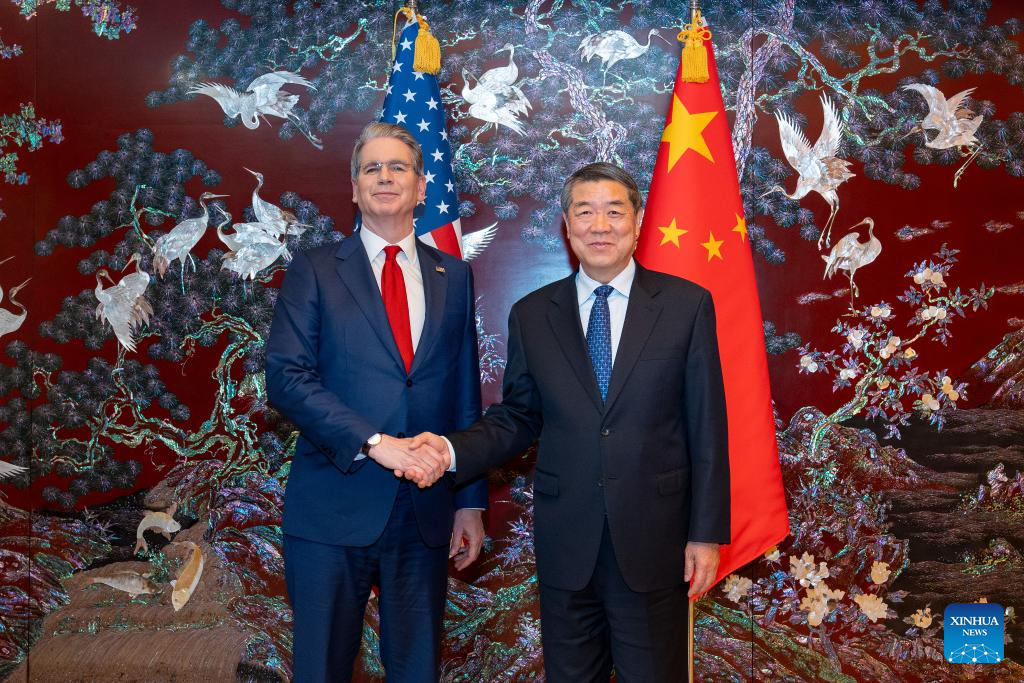
The high-level meeting in Seoul between Vice Premier He Lifeng and Treasury Secretary Scott Bessent represents a critical technical recalibration of the world’s two largest economies, occurring just as global trade flows face a 12% increase in logistics overhead due to geopolitical friction. While "candid and constructive" are the standard diplomatic descriptors, the underlying data points to a desperate need for operational stability. Currently, the China-U.S. economic relationship sustains a daily trade volume exceeding $1.8 billion, yet it operates under a complex web of over 300 specific export control classifications. For stakeholders in high-precision industries—from those managing 1000 GPD water purification deployments to CNC machining facilities—the focus is on whether these talks can reduce the 15% "compliance premium" that currently inflates the cost of trans-Pacific industrial components.
From an analytical standpoint, the "practical cooperation" mentioned is a direct response to the 22% volatility seen in global commodity pricing over the last three fiscal quarters. The lead negotiators are essentially balancing a massive ledger; on one side is a $400 billion+ trade surplus, and on the other is a critical 80% dependency on specific rare-earth processing and battery chemistry supply chains. A successful outcome from these consultations isn't just a signed memorandum; it is a measurable reduction in the 35% tariff barriers that currently stifle the 5-year ROI for renewable energy projects. If the two sides can achieve a 2.5% alignment in technical standards for emerging technologies, it could unlock an estimated $50 billion in sidelined institutional investment, effectively raising the projected GDP contribution of bilateral trade by 0.8% annually.
As reported by People's Daily, the discussions were guided by the consensus of the heads of state, focusing on mutual respect and win-win cooperation. In technical terms, "win-win" translates to optimizing the 45% capacity utilization rates of global manufacturing hubs that have been hampered by shifting trade quotas. The potential solution to current trade imbalances lies in the "expansion of practical cooperation" in non-sensitive sectors—such as agricultural technology and consumer health hardware—where a 10% increase in market access could yield a 15-18% growth in net profit for middle-market enterprises. By stabilizing the exchange rate fluctuations within a tighter 3% variance band, these consultations provide the necessary forward-looking data for corporations to commit to 24-month procurement cycles, moving away from the "just-in-case" inventory models that currently tie up billions in idle capital.
News source: https://peoplesdaily.pdnews.cn/china/er/30052123343
Get the Weekly Snow Report
One email every Thursday morning. Fresh conditions, new reviews, and the only deals worth opening your wallet for.