
Delta Force Black Hawk Down: A Tactical Shooter Classic
Introduction to Delta Force Black Hawk Down
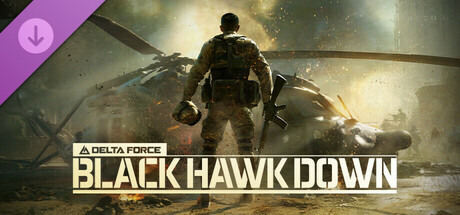
Historical Context and Gaming Legacy
Delta Force Black Hawk Down stands as a monumental title in the tactical shooter genre, drawing inspiration from the harrowing real-world events that transpired in Somalia during 1993. This military simulation game recreates the intense combat scenarios faced by U.S. special forces during Operation Gothic Serpent, which was later immortalized in the legendary 2001 film "Black Hawk Down." In this article, we will explore the newly released free Black Hawk Down mode that has reinvigorated interest in this classic tactical shooter.Challenging Gameplay Structure
What sets this mode apart from contemporary shooters is its unforgiving approach to player mortality. We have examined numerous reviews highlighting the extreme difficulty level that awaits players. The gameplay mechanics feature no checkpoints or save points, creating a tension-filled experience where tactical decisions carry significant weight. When one team member falls in combat, they must observe their surviving teammates until either mission completion or total squad elimination. This design philosophy harkens back to early battle royale experiences, where player elimination meant spectating until the round's conclusion.Available Game Modes
The Black Hawk Down expansion introduces multiple gameplay options beyond the primary mission-based experience. While our focus will be on the core cooperative tactical gameplay, it's worth noting that the expansion also features "Warfare" - an ambitious 32-versus-32 player mode that encompasses multi-domain combat across land, sea, and air theaters. This comprehensive approach to military simulation demonstrates the developers' commitment to creating varied combat experiences within a historically significant framework.
Gaming Experience Expectations
We anticipate that this tactical shooter will demand precise coordination, strategic planning, and effective communication between team members. The high-stakes nature of the gameplay, where a single mistake can result in mission failure, promises an adrenaline-fueled experience that rewards methodical approaches over reckless aggression. Throughout this article, we will analyze how these design choices impact the overall gaming experience and whether they successfully recreate the tension of the historical events that inspired the game.First Impressions and Graphics
Visual Fidelity That Exceeds Expectations
Our first encounter with Delta Force Black Hawk Down's visual presentation left us genuinely impressed by its remarkable graphical fidelity. The game's aesthetic quality stands as one of its most compelling attributes, delivering an experience that rivals even established franchises in the military shooter genre. This article acknowledges what many players have already recognized—that the graphical presentation creates legitimate competition for titles like Battlefield, particularly impressive considering the game's tactical focus rather than pure visual spectacle.Environmental Detail and Atmospheric Immersion
The attention to environmental detail throughout the Somalian settings deserves particular recognition. From the dust-swept streets of Mogadishu to the intricate architectural elements of urban combat zones, the development team has crafted a world that feels authentic and lived-in. Lighting effects cast realistic shadows across buildings and terrain, while particle systems create convincing dust clouds and weapon effects that enhance the combat experience. We found the visual consistency maintained across both close-quarter engagements and more expansive battlefield scenarios particularly noteworthy.Character Models and Animation Systems
Character models exhibit exceptional detail, with special forces operators displaying appropriate gear configurations and realistic movement animations. Enemy combatants are visually distinctive while maintaining the aesthetic cohesion of the environment. The animation systems deserve special mention, as they contribute significantly to the tactical immersion—watching squad members move with military precision through doorways or take cover positions reinforces the game's commitment to authenticity.Technical Performance Considerations
While the visual presentation impresses on multiple levels, it's important to address how these graphics perform during actual gameplay. The engine demonstrates remarkable optimization, maintaining consistent frame rates even during intense firefights with multiple combatants and effects on screen. This technical stability ensures that the tactical gameplay described in our introduction remains uncompromised by visual hiccups or performance issues that might otherwise undermine the high-stakes combat scenarios.Artistic Direction and Historical Accuracy
Beyond pure technical achievement, the artistic direction demonstrates a thoughtful approach to recreating the historical setting. The visual design team has clearly conducted extensive research to ensure that equipment, vehicles, and environmental elements accurately reflect the 1993 Mogadishu setting. This commitment to historical authenticity enhances the educational value of the experience while providing a visually compelling backdrop for the tactical challenges that await players in subsequent missions.Gameplay Mechanics and Challenges
Core Combat Systems
Delta Force Black Hawk Down's gameplay mechanics represent a carefully balanced approach to tactical military simulation. We found that the weapon handling systems strike an impressive middle ground between arcade accessibility and simulation depth. Each firearm exhibits distinctive recoil patterns and effective ranges that demand player adaptation across different combat scenarios. Unlike many contemporary shooters that favor regenerating health systems, this title implements a more punishing damage model where sustained injuries significantly impact combat effectiveness, reinforcing the tactical emphasis established in earlier chapters of this article.Squad Management Dynamics
The squad-based mechanics form the backbone of the gameplay experience, requiring constant communication and coordination. As we discovered during our playthrough sessions, the absence of checkpoints creates a unique tension where team preservation becomes paramount. When a squad member falls in combat, they transition to spectator mode—a design choice that dramatically increases the stakes of each engagement. This article emphasizes that this mechanic isn't merely punitive but serves to reinforce tactical decision-making. During one particularly challenging mission, our team learned this lesson harshly when an overeager advance resulted in multiple casualties, forcing the remaining operators to complete objectives under significantly increased pressure.Environmental Challenges and Navigation
Beyond enemy combatants, the urban Mogadishu environment presents its own set of challenges. The intricate network of alleyways, multi-story buildings, and open courtyards creates a complex battlespace requiring thoughtful navigation. We encountered numerous situations where environmental awareness proved as crucial as marksmanship. Sniper threats from distant rooftops demand constant vigilance, as evidenced during one harrowing sequence where overlooking elevated positions resulted in multiple team casualties. The developers have masterfully integrated these environmental hazards into the core gameplay loop, ensuring that spatial awareness remains as important as trigger discipline.Mission Structure and Objective Variety
The mission design philosophy emphasizes diverse tactical challenges rather than repetitive combat encounters. Objectives range from hostage rescue operations to strategic building clearance and vehicle escort missions. Each scenario introduces unique constraints that prevent players from relying on a single approach. We particularly appreciated how the game forces tactical adaptation—strategies that proved effective in confined urban settings often proved disastrous in more exposed environments. This variety ensures that teams must continuously reassess and communicate rather than falling into predictable patterns.Revival Mechanics and Team Cohesion
The revival system represents one of the most tension-filled mechanics in the game. When a team member falls, they can be revived within a limited window, but this process leaves both the downed operator and the rescuer vulnerable. This creates intense decision points where teams must weigh the tactical value of attempting revivals against the risk of additional casualties. During our gameplay sessions, these moments generated some of the most memorable experiences, as successful rescues under fire created genuine moments of triumph while failed attempts often cascaded into mission failure. This mechanic reinforces the game's emphasis on team cohesion over individual heroics.Communication Necessities
The absence of extensive HUD elements and waypoint markers necessitates clear and constant communication between team members. Callouts for enemy positions, coordination of movement, and resource management all require verbal confirmation. We found that teams who established clear communication protocols consistently outperformed those relying on individual skill. The game's design brilliantly enforces this necessity through its punishing difficulty—even skilled players quickly discover that lone-wolf approaches almost invariably result in failure. This communication requirement creates a deeply satisfying social dimension to the tactical challenges that elevates the overall experience.Intense Combat Encounter
Tactical Pressure in Urban Environments
Our experience with Delta Force Black Hawk Down reached its pinnacle during a particularly harrowing urban combat scenario that exemplified the game's unforgiving nature. While navigating through the narrow streets of Mogadishu, we encountered an ambush situation that immediately tested our tactical acumen. The confined space of the urban environment amplified the intensity, as enemy combatants occupied multiple firing positions across different elevations. This article cannot overstate how quickly the situation deteriorated from routine patrol to desperate survival, highlighting the game's commitment to realistic combat scenarios that can shift dramatically without warning.Communication Under Fire
The critical importance of clear communication became evident as our squad found itself pinned down by enemy fire from multiple directions. Unlike more forgiving tactical shooters, Black Hawk Down provides no margin for miscommunication. We quickly established a system of concise callouts to identify enemy positions—"left of the doorway," "second-floor window," "behind the market stall"—each precise identification potentially meaning the difference between squad survival and elimination. The pressure of maintaining this communication while under intense fire created a psychological intensity rarely matched in contemporary military simulations.Ammunition Management and Resource Constraints
During the extended firefight, ammunition management emerged as a crucial tactical consideration. The game's realistic approach to combat resources meant that suppressive fire tactics quickly depleted our primary weapon magazines. We found ourselves forced to make difficult decisions about when to reload, knowing that the animation would leave us vulnerable for precious seconds. This resource limitation transformed what might have been a straightforward engagement into a tense exercise in prioritization—each shot needed to count, and the decision to reload required careful timing and team coverage.Dynamic Threat Assessment
The combat encounter demonstrated the game's sophisticated enemy AI systems, which continuously adapted to our tactical positioning. As we attempted to flank an enemy position, additional combatants appeared from previously secured areas, suggesting a dynamic spawning system that prevents players from relying on memorized enemy placements. Our squad needed to constantly reassess threat priorities, shifting focus between immediate dangers and potential ambush positions. This dynamic threat environment maintained tension throughout the extended engagement, never allowing for comfortable tactical superiority.Revival Decisions Under Duress
The most intense moments occurred when squad members were downed during the firefight. The revival mechanics discussed in previous chapters created excruciating decision points—attempting to reach fallen teammates meant exposing ourselves to the same fire that had incapacitated them. We witnessed the cascading failure that can occur when revival attempts go wrong, as one downed operator quickly became two, then three. The psychological impact of watching teammates fall while being unable to safely reach them added a layer of emotional investment rarely found in less punishing shooter experiences.Tactical Adaptation and Position Reconsideration
What ultimately allowed our survival was the willingness to abandon previously secured positions when they became untenable. The dynamic nature of the combat forced continuous reassessment of our tactical situation. When enemy fire converged on our initial defensive position, we executed a coordinated fallback to more defensible terrain, using smoke grenades to cover our movement. This tactical flexibility proved essential, as rigid adherence to our original plan would have resulted in complete squad elimination. The encounter demonstrated that survival in Black Hawk Down depends not on dominating the battlefield but on making appropriate tactical adjustments as combat conditions evolve.Tactical Cooperation and Survival
The Foundation of Effective Squad Dynamics
Having explored the intense combat scenarios in previous chapters, we now turn our attention to what ultimately determines success in Delta Force Black Hawk Down: tactical cooperation. Our extensive gameplay sessions revealed that individual skill, while valuable, pales in comparison to coordinated team efforts. The game's unforgiving nature demands a level of cooperation rarely seen in contemporary military shooters. We discovered that successful squads develop specialized roles organically—designating point operators, support gunners, and rear security—creating a cohesive unit capable of responding to multidirectional threats. This specialization proves essential when navigating the complex urban environments of Mogadishu, where threats can emerge from any angle.Communication Protocols That Save Lives
The development of standardized communication protocols emerged as perhaps the most critical element of squad survival. During our most successful missions, we established clear terminology for callouts that eliminated ambiguity during high-pressure situations. Directional indicators became standardized ("contact north," "movement east"), and status reports were delivered in consistent formats that prioritized critical information. This communication discipline proved particularly valuable during night operations, where visual identification became significantly more challenging. Teams that maintained communication discipline consistently outperformed those with more talented individual players but poorer coordination.Resource Management as Team Responsibility
Survival in extended operations necessitates treating squad resources as collective assets rather than individual supplies. We implemented a system where ammunition counts were regularly reported, allowing for redistribution among team members based on tactical needs rather than personal shortages. This approach extended to medical supplies as well, with teams designating specific operators to carry additional medical kits for emergency situations. The practice of calling out resource usage ("using smoke," "last magazine") kept the entire squad aware of capability limitations and prevented situations where critical resources were depleted without team knowledge.Tactical Movement Formations
The implementation of appropriate movement formations proved instrumental in minimizing casualties during our operations. Different environmental contexts demanded specific formation adaptations:- Urban corridors required tight stack formations with designated sectors of fire
- Open areas necessitated dispersed wedge formations to minimize vulnerability to explosive weapons
- Building clearance operations benefited from modified T-formations that maintained security while clearing rooms
Contingency Planning and Rally Points
Our most successful operations incorporated detailed contingency planning before engagement. Establishing rally points and fallback positions provided critical structure during situations where primary plans collapsed under enemy pressure. When communications were compromised or squad members became separated, these predetermined locations served as collection points for reorganization. This practice proved particularly valuable during operations where enemy forces successfully divided our squad, allowing fragmented elements to reconsolidate and continue mission objectives rather than being eliminated piecemeal.Cross-Training and Skill Redundancy
The permanent loss of squad members in Black Hawk Down creates a unique vulnerability when specialized skills are concentrated in single operators. We found that cross-training team members in essential skills—particularly medical treatment and specialized weapon systems—provided crucial redundancy when casualties occurred. During one particularly challenging extraction mission, the loss of our designated marksman would have left the squad vulnerable to long-range threats, but secondary training allowed another operator to assume this role with reduced but adequate effectiveness. This redundancy planning transformed what might have been mission-ending casualties into manageable setbacks.Psychological Resilience and Team Morale
Perhaps the most overlooked aspect of tactical survival is maintaining team psychological resilience. The intense pressure of continuous operations without checkpoints creates significant mental fatigue that can lead to poor decision-making. We observed that teams who maintained positive communication, acknowledged successful actions, and avoided blame for setbacks demonstrated superior performance over extended missions. This psychological dimension of tactical cooperation cannot be overstated—squads that fractured under pressure through recrimination or frustration invariably failed to complete objectives, while those maintaining cohesion often succeeded despite significant obstacles.Why Lootbar.gg is the best choice for Delta Force Coins Top-up?
Looking to elevate your Delta Force gaming experience? Look no further than LootBar.gg, the premier gaming transaction platform designed with players like you in mind. With their seamless Delta Force top upservice, you can quickly replenish your premium in-game currency and gain the competitive edge you've been seeking. The platform's user-friendly interface ensures that your transaction is completed swiftly, allowing you to return to the action without missing a beat. What truly sets LootBar.gg apart is their unwavering commitment to security and customer satisfaction. When you choose to top up Delta Force coins through their platform, you're not just getting virtual currency – you're investing in peace of mind. Their robust security measures protect your personal information while ensuring that every coin reaches your account instantly. Whether you're a casual player or a dedicated enthusiast, the LootBar game trading platform offers the reliability and efficiency you deserve for all your gaming transaction needs.Get the Weekly Snow Report
One email every Thursday morning. Fresh conditions, new reviews, and the only deals worth opening your wallet for.