
Materials, Packaging & Textiles
What Can a Flexible Packaging Company Do for Your Brand?
Professional flexible packaging companies can enhance the shelf performance of brand products by 40% through structural design. For instance, by using eight-color gravure printing technology, a Pantone color gamut coverage of 97% can be achieved, making the packaging pattern resolution reach the industry high standard of 300 dpi. According to the 2024 packaging industry research data, enterprises that cooperate with flexible packaging companies have achieved an average sales growth of 25%, as innovative packaging structures such as heavy-duty stand-up bags with zippers have increased consumer repurchase rates by 18%. In its laundry powder packaging upgrade project, Procter & Gamble reduced plastic usage by 20% by optimizing material thickness while enhancing brand recognition by 35%.
In terms of supply chain optimization, Flexible Packaging Company has reduced the logistics loss rate from 3% of traditional packaging to 0.5% by integrating an RFID traceability system. The roll material transportation solution it provides has increased the utilization rate of warehouse space by 60%. Unilever's 2023 annual report shows that the standing pouch packaging developed in collaboration with suppliers such as Amco has increased the efficiency of a single production line to 120 bags per minute and reduced transportation costs by 30%. These companies usually hold ISO 22000 and BRCGS certifications to ensure that the content of migrating substances in packaging materials is lower than the food safety standard of 0.01mg/kg.
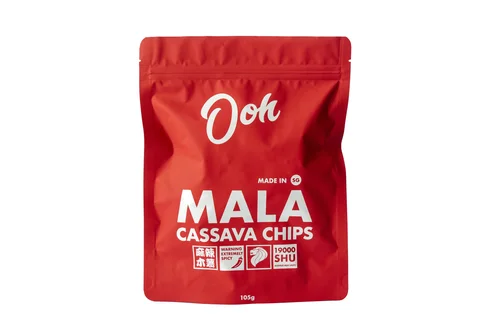 Sustainable development solutions are core values. Flexible packaging companies can offer single-material structural designs that reduce carbon footprints by 50%, with bio-based materials accounting for 30% to 100%. According to the 2024 Ellen MacArthur Foundation data, the adoption of recyclable packaging designs has increased a brand's environmental score by 45%. For instance, Danone increased its recycling rate from 10% to 70% within 12 months by using packaging bags with a single polypropylene structure. The life cycle assessment service provided by this flexible packaging company can accurately calculate that the carbon dioxide emissions per square meter of packaging have been reduced to 1.2 kilograms.
In terms of technological innovation, these enterprises invest 6% of their annual revenue in the research and development of intelligent packaging technologies. For instance, packaging with integrated time and temperature indicators can increase the accuracy of product deterioration risk warnings to 99%. The anti-counterfeiting QR code technology developed by Mars Company in collaboration with Zijiang Enterprise has reduced the market diversion rate by 80% and increased the frequency of consumer scanning and interaction by three times. The accelerated aging test has verified that the prediction accuracy error of the shelf life of the packaging in an environment of 38℃ and 90% humidity does not exceed 5 days.
For brand value enhancement, the full-process solution provided by the flexible packaging company has shortened the new product launch cycle by 40% and kept the packaging failure rate below 0.1%. The essence packaging launched by L 'Oreal Group in 2023 adopts multi-layer co-extruded film technology, with an oxygen barrier performance of 0.5 cm³/m²/24h, which increases the retention rate of the product's active ingredients to 98%. These companies have reduced development costs by 25% and optimized packaging strength parameters by 15% through digital twin technology for packaging testing.
Sustainable development solutions are core values. Flexible packaging companies can offer single-material structural designs that reduce carbon footprints by 50%, with bio-based materials accounting for 30% to 100%. According to the 2024 Ellen MacArthur Foundation data, the adoption of recyclable packaging designs has increased a brand's environmental score by 45%. For instance, Danone increased its recycling rate from 10% to 70% within 12 months by using packaging bags with a single polypropylene structure. The life cycle assessment service provided by this flexible packaging company can accurately calculate that the carbon dioxide emissions per square meter of packaging have been reduced to 1.2 kilograms.
In terms of technological innovation, these enterprises invest 6% of their annual revenue in the research and development of intelligent packaging technologies. For instance, packaging with integrated time and temperature indicators can increase the accuracy of product deterioration risk warnings to 99%. The anti-counterfeiting QR code technology developed by Mars Company in collaboration with Zijiang Enterprise has reduced the market diversion rate by 80% and increased the frequency of consumer scanning and interaction by three times. The accelerated aging test has verified that the prediction accuracy error of the shelf life of the packaging in an environment of 38℃ and 90% humidity does not exceed 5 days.
For brand value enhancement, the full-process solution provided by the flexible packaging company has shortened the new product launch cycle by 40% and kept the packaging failure rate below 0.1%. The essence packaging launched by L 'Oreal Group in 2023 adopts multi-layer co-extruded film technology, with an oxygen barrier performance of 0.5 cm³/m²/24h, which increases the retention rate of the product's active ingredients to 98%. These companies have reduced development costs by 25% and optimized packaging strength parameters by 15% through digital twin technology for packaging testing.
Sustainable development solutions are core values. Flexible packaging companies can offer single-material structural designs that reduce carbon footprints by 50%, with bio-based materials accounting for 30% to 100%. According to the 2024 Ellen MacArthur Foundation data, the adoption of recyclable packaging designs has increased a brand's environmental score by 45%. For instance, Danone increased its recycling rate from 10% to 70% within 12 months by using packaging bags with a single polypropylene structure. The life cycle assessment service provided by this flexible packaging company can accurately calculate that the carbon dioxide emissions per square meter of packaging have been reduced to 1.2 kilograms.
In terms of technological innovation, these enterprises invest 6% of their annual revenue in the research and development of intelligent packaging technologies. For instance, packaging with integrated time and temperature indicators can increase the accuracy of product deterioration risk warnings to 99%. The anti-counterfeiting QR code technology developed by Mars Company in collaboration with Zijiang Enterprise has reduced the market diversion rate by 80% and increased the frequency of consumer scanning and interaction by three times. The accelerated aging test has verified that the prediction accuracy error of the shelf life of the packaging in an environment of 38℃ and 90% humidity does not exceed 5 days.
For brand value enhancement, the full-process solution provided by the flexible packaging company has shortened the new product launch cycle by 40% and kept the packaging failure rate below 0.1%. The essence packaging launched by L 'Oreal Group in 2023 adopts multi-layer co-extruded film technology, with an oxygen barrier performance of 0.5 cm³/m²/24h, which increases the retention rate of the product's active ingredients to 98%. These companies have reduced development costs by 25% and optimized packaging strength parameters by 15% through digital twin technology for packaging testing.
Get the Weekly Snow Report
One email every Thursday morning. Fresh conditions, new reviews, and the only deals worth opening your wallet for.