
What custom backpack styles work best for outdoor activities?
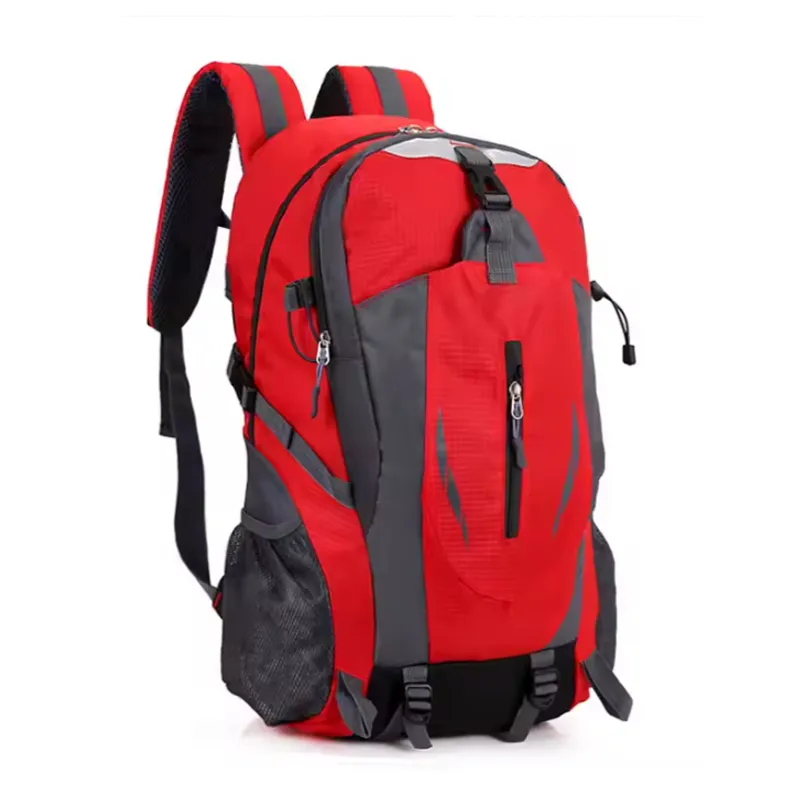
For high-intensity hiking activities, custom backpacks with capacities ranging from 40 to 60 liters best balance load and mobility. These backpacks weigh an average of 1.5 kilograms but can carry 20 kilograms of equipment, and their internal frames can transfer 70% of the weight to the hips. According to the test data of the Outdoor Industry Association in 2024, the wear resistance index of the backpack made of 210D nylon fabric exceeds 8,000 revolutions, and the waterproof coating treatment makes the surface water pressure resistance reach 5000mmH₂O, ensuring that the dryness of the internal items remains above 95% in a rainforest environment with 90% humidity. For instance, a certain mountaineering association custom-made 500 hiking backpacks. After 30 consecutive days of outdoor use, the damage rate was only 2%, and its Y-shaped carrying system increased the average walking speed of users by 15%.
The custom-made backpack specifically designed for wading sports must meet the IPX8 waterproof standard, remaining completely submerged in a water depth of 1 meter for 30 minutes without leakage. This type of backpack usually adopts a roll-up seal design with a buoyancy coefficient of 5kg/m³, ensuring additional safety when falling into water. Surfing brand data shows that backpacks equipped with diving material compartings can accelerate the drying speed of surfing suits by 50%, and the external quick-hang system can fix a 1.8-meter-long surfboard. This design reduces the equipment sorting time for activities around the beach by 40%. In 2023, the Coast Rescue Team custom-made 200 fluorescent backpacks, with a visible distance of up to 800 meters, successfully reducing the response time for drowning accidents to within 3 minutes.
 In urban outdoor scenarios, commuter custom backpack with a capacity of around 25 liters are showing an average annual growth trend of 12%. This type of product achieves "multiple uses in one package" through 15 functional zones. The laptop compartment can withstand a daily retrieval and placement frequency of 20 times. The hidden anti-theft bag reduces the probability of property theft by 60%. Brand research shows that backpacks made with laser cutting technology have a 30% reduction in weight, and the modular design allows users to quickly adjust the carrying structure according to an average load of 10 kilograms on the same day. This adaptability has increased the transfer efficiency of subway commuters by 25%.
Technological innovation is reshaping the performance boundaries of outdoor backpacks. The solar panel integration solution enables the surface area utilization rate of the backpack to reach 85%, generating up to 20Wh of electricity per day under standard light, which can fully charge four mobile phones. A custom-made constant-temperature backpack for a certain polar scientific research team uses phase change materials to maintain an internal temperature of over 5℃ for 8 hours in an environment of -30℃, ensuring the normal operation of precision instruments. Such intelligent solutions have extended the working hours of outdoor workers by 35% and redefined the safety threshold of outdoor equipment.
Sustainability has become a core parameter of the new generation of outdoor backpacks. Backpacks made from Marine recycled plastic have a 45% lower carbon footprint, while the plant dyeing process has reduced water consumption by 60%. Industry leaders have demonstrated through life cycle assessment that custom backpacks certified green have an environmental cost 55% lower than traditional products within a three-year usage period. This ecological design concept is driving the outdoor products market towards a circular economy. It is expected that the penetration rate of environmentally friendly materials will reach 70% by 2025.
In urban outdoor scenarios, commuter custom backpack with a capacity of around 25 liters are showing an average annual growth trend of 12%. This type of product achieves "multiple uses in one package" through 15 functional zones. The laptop compartment can withstand a daily retrieval and placement frequency of 20 times. The hidden anti-theft bag reduces the probability of property theft by 60%. Brand research shows that backpacks made with laser cutting technology have a 30% reduction in weight, and the modular design allows users to quickly adjust the carrying structure according to an average load of 10 kilograms on the same day. This adaptability has increased the transfer efficiency of subway commuters by 25%.
Technological innovation is reshaping the performance boundaries of outdoor backpacks. The solar panel integration solution enables the surface area utilization rate of the backpack to reach 85%, generating up to 20Wh of electricity per day under standard light, which can fully charge four mobile phones. A custom-made constant-temperature backpack for a certain polar scientific research team uses phase change materials to maintain an internal temperature of over 5℃ for 8 hours in an environment of -30℃, ensuring the normal operation of precision instruments. Such intelligent solutions have extended the working hours of outdoor workers by 35% and redefined the safety threshold of outdoor equipment.
Sustainability has become a core parameter of the new generation of outdoor backpacks. Backpacks made from Marine recycled plastic have a 45% lower carbon footprint, while the plant dyeing process has reduced water consumption by 60%. Industry leaders have demonstrated through life cycle assessment that custom backpacks certified green have an environmental cost 55% lower than traditional products within a three-year usage period. This ecological design concept is driving the outdoor products market towards a circular economy. It is expected that the penetration rate of environmentally friendly materials will reach 70% by 2025.
In urban outdoor scenarios, commuter custom backpack with a capacity of around 25 liters are showing an average annual growth trend of 12%. This type of product achieves "multiple uses in one package" through 15 functional zones. The laptop compartment can withstand a daily retrieval and placement frequency of 20 times. The hidden anti-theft bag reduces the probability of property theft by 60%. Brand research shows that backpacks made with laser cutting technology have a 30% reduction in weight, and the modular design allows users to quickly adjust the carrying structure according to an average load of 10 kilograms on the same day. This adaptability has increased the transfer efficiency of subway commuters by 25%.
Technological innovation is reshaping the performance boundaries of outdoor backpacks. The solar panel integration solution enables the surface area utilization rate of the backpack to reach 85%, generating up to 20Wh of electricity per day under standard light, which can fully charge four mobile phones. A custom-made constant-temperature backpack for a certain polar scientific research team uses phase change materials to maintain an internal temperature of over 5℃ for 8 hours in an environment of -30℃, ensuring the normal operation of precision instruments. Such intelligent solutions have extended the working hours of outdoor workers by 35% and redefined the safety threshold of outdoor equipment.
Sustainability has become a core parameter of the new generation of outdoor backpacks. Backpacks made from Marine recycled plastic have a 45% lower carbon footprint, while the plant dyeing process has reduced water consumption by 60%. Industry leaders have demonstrated through life cycle assessment that custom backpacks certified green have an environmental cost 55% lower than traditional products within a three-year usage period. This ecological design concept is driving the outdoor products market towards a circular economy. It is expected that the penetration rate of environmentally friendly materials will reach 70% by 2025.
Get the Weekly Snow Report
One email every Thursday morning. Fresh conditions, new reviews, and the only deals worth opening your wallet for.