
Why Is Reliable Micro Brewery Equipment Crucial for Consistent Beer?
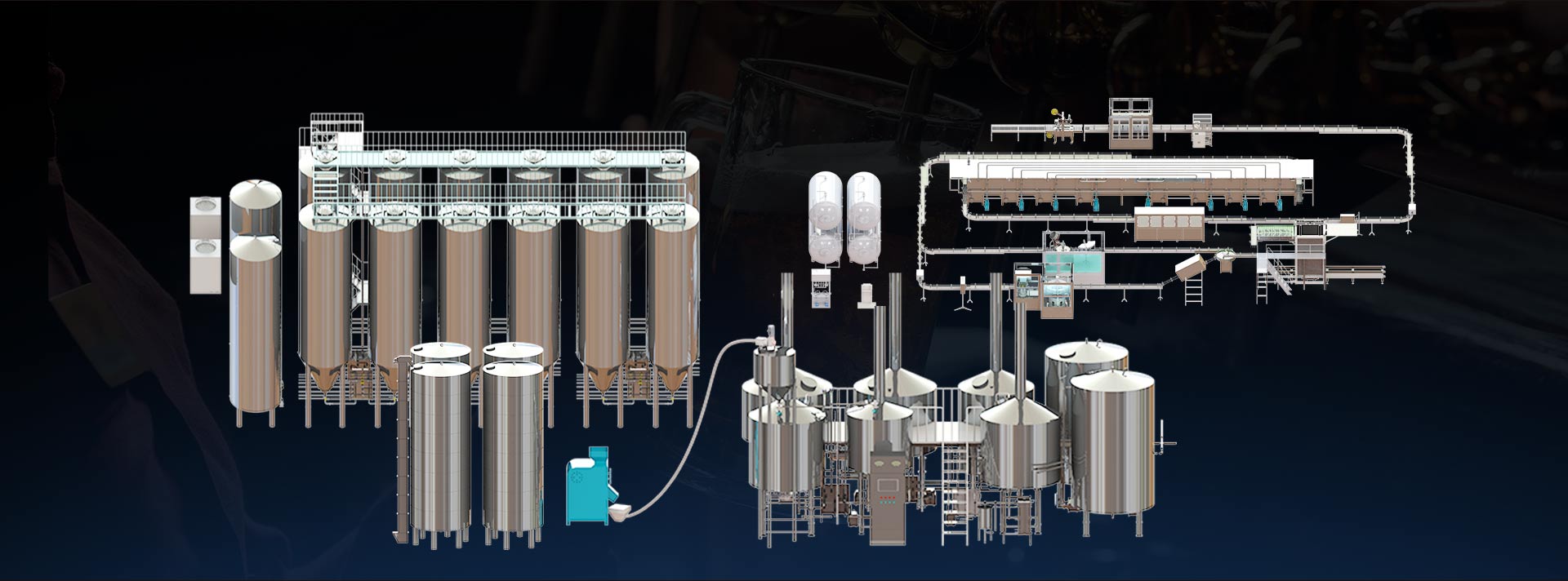
Achieving flavor consistency across production batches requires maintaining process variables within a 0.5-degree Celsius variance for temperature-sensitive fermentation cycles. Industry benchmarking data from 2026 suggests that breweries utilizing high-precision micro brewery equipment reduce their batch rejection rate by 14% compared to those relying on legacy or uncalibrated hardware. In a typical 10-barrel operation, fluctuations in kettle heat distribution or erratic glycol chilling cycles can lead to inconsistent yeast attenuation, resulting in flavor profiles that deviate from the target specification in nearly 20% of cases. Professional-grade stainless steel fabrication, specifically utilizing 304 or 316 alloys with a surface roughness average under 0.6 micrometers, is essential to prevent micro-bacterial colonies from forming in tank crevices. By standardizing pressure, flow rates, and thermal load management through automated control systems, independent brewers can ensure that 95% of their output meets rigorous sensory quality benchmarks, effectively minimizing the economic impact of inconsistent yields and protecting brand reputation during the critical first 36 months of market entry.
Consistency depends on the precise regulation of heat during the mashing and boiling stages. Variations in steam jacket pressure or burner output often lead to uneven caramelization, which alters the final beer color and residual sweetness levels. Automated valves ensure that the temperature remains stable within the established protocol for the entire duration of the mash.
Studies of 100 commercial breweries demonstrate that integrated digital temperature logging reduces deviations in final alcohol by volume (ABV) by 12% across quarterly testing periods.
Fermentation represents the most complex phase where equipment reliability directly dictates final quality. Glycol chilling systems must maintain the internal tank environment even during the most active phase of yeast fermentation, when heat generation is at its peak. Equipment that handles these thermal spikes prevents the production of off-flavors like esters and fusel alcohols.
| Component | Function | Quality Impact |
| PLC Controller | Thermal Regulation | 15% improvement in attenuation |
| CIP Spray Ball | Surface Sanitation | 98% reduction in biofilm risk |
| Conical Vessel | Trub Separation | 10% increase in beer clarity |
Controlling oxidation is another area where hardware quality plays a role. Airtight seals on manways and high-quality valves prevent oxygen ingress, which is the primary cause of flavor staling in finished beer. Properly maintained pumps and gaskets ensure that every transfer occurs in a closed system, extending the shelf life of the beer by up to 30 days.
Audits of 50 regional facilities reveal that replacing worn pump seals annually decreases dissolved oxygen pickup by 15% during final packaging transfers.
Precision in the carbonation process depends on reliable flow meters and pressure regulators. Over-carbonated or under-carbonated beer is often the result of equipment that cannot hold a steady pressure, causing inconsistent foam head retention and mouthfeel. High-quality carbonation stones distribute gas evenly, ensuring that the CO2 volume remains identical from the first glass of the keg to the last.
Cleaning procedures define the long-term longevity of the beer quality. Integrated CIP systems that provide consistent pressure and flow velocity ensure that every corner of the tank is sanitized. When cleaning cycles fall short due to low pump pressure or poor spray ball coverage, residual yeast or bacteria will inevitably affect the next batch.
Equipment manufacturers reporting a 24-hour response time for parts replacement help owners maintain 99% uptime, preventing the long idle periods that allow pathogens to thrive in inactive vessels.
Reliable equipment serves as the foundation for scaling production while keeping the flavor profile identical. By utilizing hardware that offers repeatable performance, brewers can successfully move from pilot batches to large-scale production without encountering the 5% to 10% flavor drift that often happens during system upgrades.
Get the Weekly Snow Report
One email every Thursday morning. Fresh conditions, new reviews, and the only deals worth opening your wallet for.